
Spinal decompression Tucker GA, if you’ve been researching non-surgical options for disc problems, herniated discs, or chronic back pain, you’ve probably come across both spinal decompression and traction. They sound similar. They’re often confused. But they’re meaningfully different in what they do and what they’re designed to achieve.
At Complete Spine Solutions in Tucker, GA, our doctors use corrective traction as part of the Chiropractic BioPhysics care model. Here’s an honest breakdown of what each approach does, where they overlap, and how to think about which one is right for a given situation.
What Spinal Decompression Is
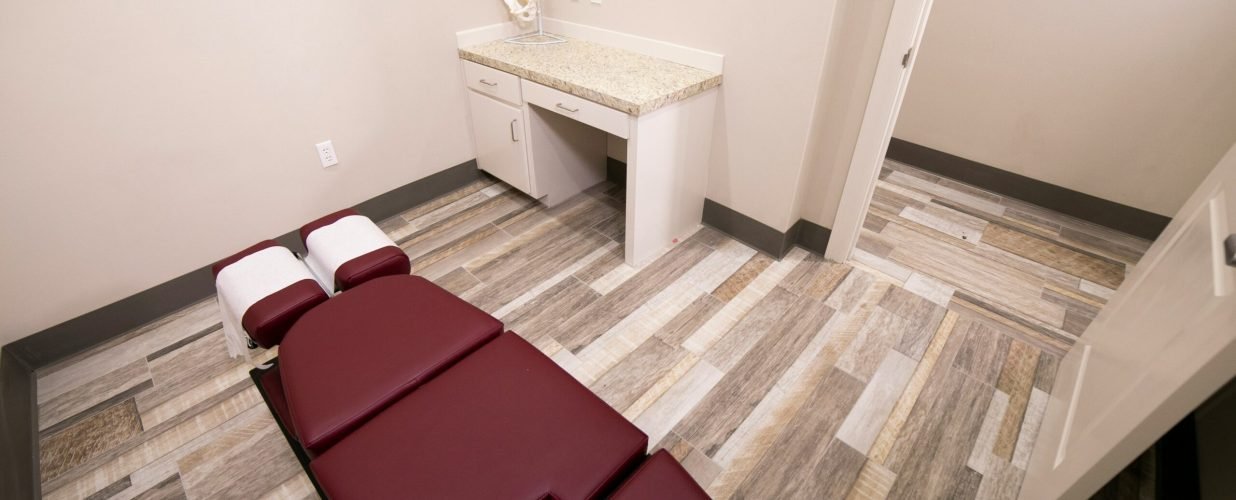
Spinal decompression, in the clinical sense most commonly marketed today, refers to motorized traction delivered through a specialized computerized table. The table applies a controlled, intermittent distraction force to the spine, designed to create negative pressure inside the disc.
The proposed mechanism is that this negative pressure draws herniated or bulging disc material back toward the center of the disc, reduces pressure on nerve roots, and promotes nutrient movement into the disc to support healing.
Spinal decompression is primarily marketed and used for disc herniations, degenerative disc disease, sciatica, and facet syndrome. It can effectively relieve disc-related pain in appropriately selected patients.
What Corrective Traction Is, and How It’s Different
Corrective traction, as used in Chiropractic BioPhysics (CBP) protocols at Complete Spine Solutions, applies sustained mechanical forces to the spine with a specific structural goal: restoring the normal spinal curves.
The distinction is in the target. Spinal decompression targets the disc directly; it’s trying to relieve pressure at a specific disc level and draw herniated material back. Corrective traction targets the curve; it tries to reshape the spine’s structural geometry over time so the discs, joints, and nerves are in a better mechanical environment.
Think of it this way. Spinal decompression is like fixing a specific pothole in a road. Corrective traction is like re-grading the entire road so it drains properly and doesn’t develop potholes as quickly.
Both have value. They’re solving different parts of the problem.
Where They Overlap
Both approaches use mechanical forces applied to the spine to produce therapeutic effects. Both can reduce nerve compression and relieve pain. Both are non-surgical and non-pharmaceutical.
For a patient with a disc herniation that is producing nerve symptoms, a combined approach, addressing the specific disc with decompression-style care while also correcting the underlying spinal alignment with corrective traction, often produces better long-term results than either alone.
This is because the herniation didn’t occur in a vacuum. Discs herniate more readily when the spine is structurally compromised, when curves are lost, load is uneven, and the disc is already under abnormal stress. Addressing only the herniation without addressing the structural environment that allowed it to develop leaves that environment unchanged.
The Chiropractic BioPhysics Approach at Complete Spine Solutions
At CSS, corrective traction is one tool within a comprehensive corrective care plan, not a standalone treatment. It works alongside spinal adjustments, postural rehabilitation exercises, and mirror-image positioning to systematically move the spine toward normal structural values.
The care plan is built around what we find in your initial structural evaluation, digital postural analysis, and X-ray imaging that give us objective measurements of your spinal curves compared to established normal values. We customize corrective traction protocols to your specific structural picture.
This differs meaningfully from a generic decompression protocol that is the same for every patient, regardless of their structural findings.
How to Know Which Approach Is Right for You
If your primary complaint is acute disc-related pain, a recent herniation, significant nerve root compression, or symptoms that are severe and limiting daily function, decompression-focused care may be the priority in the short term.
If you’re dealing with chronic spinal problems, recurring disc issues, postural deterioration, or symptoms that keep coming back after temporary treatment, the structural picture is almost certainly contributing, and corrective traction should be part of the conversation.
The best way to know is a structural evaluation that looks at what’s actually happening in your spine, not just where it hurts.
Ready to Find Out What Your Spine Actually Needs in Tucker, GA?
Schedule a free consultation at Complete Spine Solutions. Our doctors will do a thorough structural evaluation and give you a clear, honest picture of which approach makes sense for your specific situation.
Call (770) 938-4606 or book online. We serve Tucker, Stone Mountain, Smoke Rise, Northlake, Clarkston, Decatur, and throughout DeKalb County, Georgia.