
Dr. David Shapiro, DC, on the back-pain ladder America climbs, and what patients are allowed to ask before the next rung.
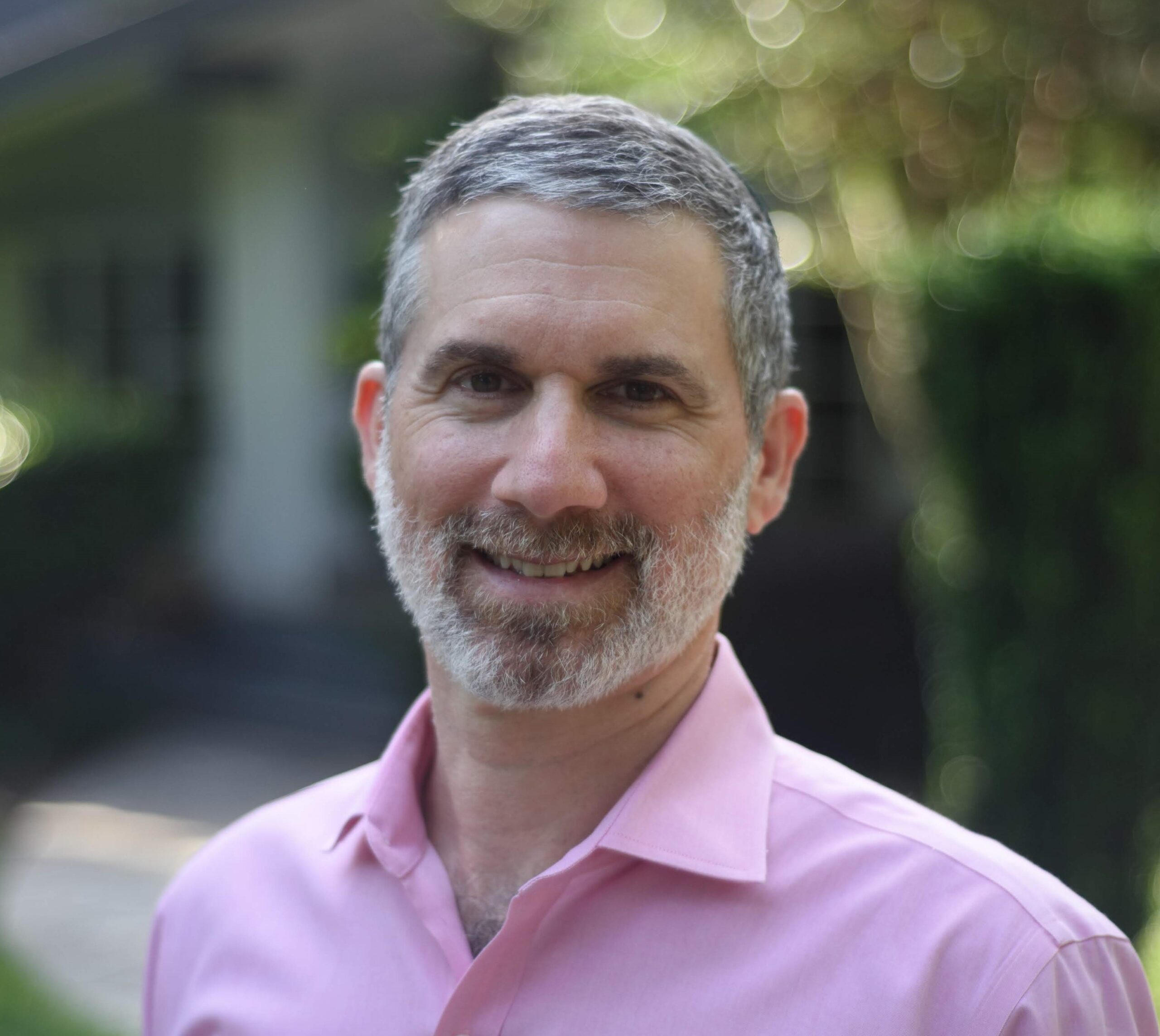
Dr. David Shapiro has practiced for 33 years and is the founder and clinical director of Complete Spine Solutions in Tucker, Georgia. He is Advanced Certified in Chiropractic BioPhysics, the highest certification in that discipline, and is writing a book on the outside-in mindset in American healthcare: the belief, taught to nearly all of us, that health is something done to you from the outside, and that your body cannot be trusted to hold itself up.
Dr. Shapiro has spondylolysis, a fracture in the lower spine that he describes plainly as a broken back. It is the same underlying condition reported in the case of the man whose state trial begins in Manhattan on September 8, 2026; his had progressed to a slip, Dr. Shapiro’s has not. Dr. Shapiro has never taken a pain pill for his back. Last winter, he skied 29 days, most of them back-to-back. He treats a full patient load every day.
What he will not discuss: the crime, guilt, motive, the victim, or the trial. He discusses what happens to a person with back pain inside the American medical system.
Two young men, the same broken back, two paths. By his own account, the defendant spent a year and a half in “failed conservative treatment,” in pain every day, reading online that he was destined to chronic pain and a desk job. Dr. Shapiro has the same fracture, was shown a different path, and lives without limitation. He does not claim to know what would have happened to anyone else. He asks what was on the table for those eighteen months, and who showed it to him.
The ladder, and what nobody on it is looking at. Medication, injections, physical therapy, surgery. Medication quiets the signal. Injections quiet it for a few weeks; the best independent review found no lasting benefit and no long-term reduction in surgery. Therapy strengthens what surrounds the problem. Surgery changes one segment. Nobody on the ladder asks why that segment carries so much load, or looks at the alignment of the whole spine above it. Surgery is a last resort and sometimes the right one. The point is the missing rung, not skipping to the top.
What it costs to be believed. The defendant advised other patients that the medical industry responds to key words like “unable to work” more urgently than to descriptions of pain. That is what an outside-in system teaches a patient: that he is not the authority on his own body.
All sourced; citations available on request. Low back and neck pain is the most expensive condition in America, costing about $134 billion a year (JAMA, 2020). More than 400,000 inpatient spinal fusions occur each year, the costliest operation in US hospitals (AHRQ). About one in five lumbar surgery patients are reoperated within roughly a decade (Spine, 2007); about one in seven fusion patients are reoperated within five years in more recent state data. Roughly a third of fusion patients are still on opioids long term (Clinical Journal of Pain, 2022). Epidural steroids: modest short-term relief, no lasting benefit, no long-term reduction in surgery (Annals of Internal Medicine, 2015).
“Will this change anything, or will it make me feel better while I’m doing it?” Both answers are legitimate. You deserve to know which one you’re getting.
Dr. Shapiro has appeared on CBS News (Atlanta), where his work on early detection of osteoporosis was the feature story, and has been quoted in HuffPost, Bustle, The Epoch Times, Aaptiv, Atlanta Magazine, Atlanta Sports and Fitness, and the Atlanta Business Chronicle. He has published peer-reviewed case reports on spinal structural correction in medical journals and has spoken at national oncology conferences. Earlier coverage is collected here.
One-page background (PDF), Headshot (high resolution)
Interview requests: Dr. David Shapiro, DC
770-938-4606 | DrShapiro@CompleteSpineSolutions.com
Complete Spine Solutions, 2347 Brockett Road, Tucker, GA 30084
Available on short notice for studio, video, or phone. Metro Atlanta.