


Sciatica treatment Tucker, GA: If you’ve found this page, you’re probably already familiar with the pain. That sharp, burning, electric sensation that starts in your lower back and shoots down through your hip and leg. It can make sitting impossible, standing worse, and sleeping an exercise in finding the one position that hurts least.
Stretches can help some people feel better and move more comfortably. But if leg pain keeps returning, stretching alone may not be enough. The next step is to find out what is contributing to your symptoms, so your care matches the problem.
What Sciatica Actually Is
The sciatic nerve is the longest nerve in your body. It originates from several nerve roots in the lumbar spine (lower back) and sacrum, merges into a single nerve, and runs down through the hip and leg to the foot. When that nerve is compressed or irritated, it can cause sciatica, a pattern of symptoms that may include sharp or burning pain, numbness, tingling, and weakness along that pathway.
Sciatica can result from an irritated lumbar nerve root, sometimes associated with a herniated disc or spinal stenosis (narrowing around the nerves). Conditions involving the hip, muscles, or peripheral nerves can also produce similar symptoms. An examination helps distinguish among these possibilities.
Understanding which structure is causing the compression matters enormously because the treatment approach differs for each.
Why Stretches Help but Sometimes Aren’t Enough
Gentle stretching and movement may ease muscle tension and help some people with sciatica feel more comfortable. Which movements help depends on what is contributing to the symptoms; a stretch that helps one person may aggravate another person’s radiating pain.
Stretching does not address every potential source of radiating leg pain. If symptoms stem from a disc, nerve-root irritation, or a related spinal problem, a broader evaluation may identify other options, including activity guidance, appropriate exercises, and additional treatment when indicated.
If you keep stretching but the pain continues or returns, don’t assume you need to stretch harder. It may be time to find out why the symptoms persist.
How We Evaluate Sciatica at Complete Spine Solutions
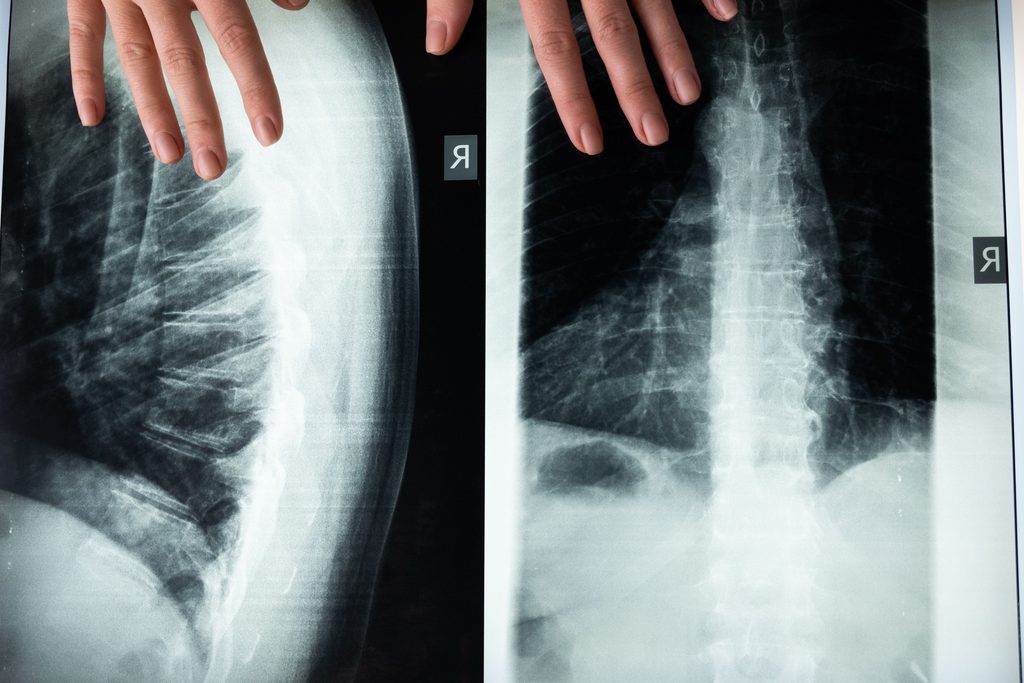
At Complete Spine Solutions, we start by listening to your symptoms and assessing spinal movement, neurological findings, and posture. When clinically indicated, standing X-rays help us evaluate bony alignment and spinal curves for structural-care planning. X-rays do not directly show a compressed nerve root or a herniated disc; if closer evaluation of discs or nerves is needed, our doctors can discuss MRI or an appropriate medical referral.
That matters because our doctors build a care plan around what we actually find, not around the symptom alone. A patient whose sciatica is driven by L4-L5 disc compression needs a different approach than one whose symptoms are coming from piriformis tension or L5-S1 instability. Treating all three the same way produces inconsistent results.
Corrective care using Chiropractic BioPhysics (CBP) protocols gives our doctors a measured way to assess and address spinal alignment when those findings are relevant. Our treatment recommendations are guided by your examination, symptoms, function, and goals. Structural measurements are one part of the picture; a change in alignment does not guarantee that sciatica symptoms will resolve.
The Role of Stretches in a Complete Sciatica Plan
Stretches and home exercises can be valuable parts of a sciatica care plan. Our doctors help patients choose movements that fit their symptoms and goals, and adjust them if they increase radiating pain, tingling, or weakness.
The key is choosing the right combination of care rather than assuming one exercise is right for everyone. Some people improve with activity guidance and exercises; others may benefit from additional evaluation or a broader treatment plan.
5 Signs It’s Time for a Sciatica Evaluation
- The pain has been present for more than six weeks without significant improvement
- You’ve been doing stretches consistently, and the relief lasts only a few hours
- The pain is getting worse over time rather than better
- You’re experiencing numbness, tingling, or weakness in the leg or foot
- The pain started after a specific incident, a fall, a heavy lift, or a car accident
Persistent or worsening symptoms deserve an assessment. Seek urgent emergency care for new loss of bladder or bowel control, trouble urinating, numbness in the saddle or groin area, or severe or rapidly worsening leg weakness. Fever, significant trauma, a cancer history, or unexplained weight loss with back or leg pain also warrant prompt medical evaluation.
If you would like gentle at-home movement ideas, see our guide to sciatica stretches. Stop a movement that worsens radiating pain, numbness, or weakness, and ask a clinician for guidance.
Ready to Talk About Your Sciatica in Tucker?
Schedule a free initial consultation at Complete Spine Solutions. We’ll listen to your concerns and discuss whether an examination would be useful. If an examination or X-rays are recommended, we explain the separate fees and applicable insurance benefits before you decide to proceed. Detailed findings and a care plan are generally discussed at a subsequent visit, although the doctor may recommend beginning care sooner when appropriate.
Call (770) 938-4606 or book online. We serve Tucker, Stone Mountain, Smoke Rise, Northlake, Clarkston, Decatur, and throughout DeKalb County, Georgia.